Chapters 14 and 15

12/12/18

Chapter 14 is related to environmental health.  The first topic it mentions is overpopulation.  Since 1950, the population has increased from 2.5 billion people to over 7 billion. By 2050, the population is expected to keep growing to almost 10 billion.  Pregnancy rates are higher in areas that have less educated women or women who have little to no say about reproduction rights.  The human population is not only growing in size, but also growing in demand.  People need bigger houses and properties, more cars and more resources to sustain our lifestyles.  The chapter also talks about air pollution, which is the presence of substances not found in clean air.  These polluted air particles can be either natural or caused by humans.  There can also be polluted particles indoors, these can be related to tobacco smoke, wood burning stoves, or even chemicals found in our homes.  These can often increase our risks of cancer.  Pollution contributes to climate change in a number of reasons.  Some of the chemicals polluting our atmosphere can eat away at the ozone layer.  Excess greenhouse gasses are contributing to climate change which causes a threat to human life. The average temperature of our planet has steadily risen over a noticeable number of years.  Chapter 14 mentions how 75% of the Earth is covered with water yet less than 2% is available to drink. Though we have safe drinking water for the most part in the United States, some third world countries are not as lucky. Solid waste is one of our biggest contributors to land waste.  Every day an average person will contribute 4.5 pounds of garbage.  Late in the chapter, it mentions radiation as a particular form of pollution.  There are two types of radiation, non-ionizing and ionizing.  The ionizing radiation is the harmful one which needs to be limited.  Nuclear power plants are only responsible for about 1% of the radiation we are currently exposed to.  The number of nuclear plants in the US is expected to go up though.  To try and help this situation, we need to first be aware of it.  We need to live unselfishly and be aware of what we use and why we use it.  One useful tip is to try to reduce the amount of trips we take in a car, either through carpooling or using a green option such as a bike.

Chapter 15 is all about the healthcare system and how to make educated decisions as well as be aware of your healthcare.  For minor health problems, self-treatment is often the cheapest option.  Sometimes our health has to be treated by professionals or it may become dangerous.  Picking a good doctor is important, as well as asking proper questions when you have an appointment.  We should look for doctors who have no problems communicating clearly the problem and treatment options.  Conventional healthcare, or allopathic healthcare, uses evidence based medicine where the treatments are based on a combination of clinical expertise, patients values, and current best scientific evidence.  There are different types of drugs, both over the counter and prescription. Typically about 3 in 4 doctor visits ends with some sort of prescription medicine being prescribed.  These are typically stronger medications that can be dangerous when not monitored. Over the counter drugs are self-medications which can relieve many common ailments.  People often skip out on reading the labels and may accidently abuse OTC drugs, which can cause some side-effects.  Complementary health approaches are non-mainstream practices and products that can be used along with other conventional medicine.  Someone who avoids conventional methods may be seeking alternative health approaches.  Someone who incorporates both may is using integrative medicine.  We have chiropractic medicine which focuses on the disorders of the muscular and skeletal system and the use of various modalities to decrease the negative health effects from these problems.  The chapter discusses mind and body practices such as acupuncture and acupressure, both of which use the same acupuncture points in order to make someone feel better.  The chapter also discusses natural products such as the food we eat as well as dietary supplements.  It states that supplements may be the most used yet also the most controversial because they are not FDA regulated.  Health insurance is something that just about everyone has to deal with.  If you seek treatment you can often use health insurance.  It is not free, however, as you usually have to pay a premium based off a prediction of health care cost for the population.  Our health care system is not perfect and has a few issues, mainly access and cost.


As for my health journey this week, it has been very productive.  I’ve had a good few days of going to the gym and eating healthy so naturally I feel great.  I really can’t complain as when picking a health journey for the semester I set out to improve and get back to where I was at the beginning of the summer.  I really feel like I am well on my way to getting back where I need to be. Image-1.jpg
Chapter 13

12/5/18

Chapter 13 is about violence and who is more likely to be affected.  According to the FBI, overall crime and especially violent crimes had steadily gone up from 1970 to 2000, and then started to decline again up until recently.  Although crime rates fluctuate through the years, one thing to remember is the only crimes that we can calculate are the ones that are reported.  Over the past decade, gun violence has gone up in schools.  College campuses are being subjected to violent protests and counter protests.  Violence can often be caused by aggression whether it be primary or reactive.  There are different types of violence, such as interpersonal which includes acts on an individual from another individual.  Examples of this are homicides and assaults.  There can be hate crimes or bias motivated crimes that must include some type of prejudice or discrimination.  There can be family related violence, referred to as domestic.  This includes the use of force to control and maintain power over another person in the home or environment.  There is also child abuse or neglect as well as intimate partner violence.  Rape is another type of violence which often times goes un-reported.  Rape is considered penetration without the victims consent.  It is the most extreme form of sexual assault which is any act in which one person is sexually intimate with another person without that persons consent.  Often times, rape is carried out by someone the victim knows personally, this is called acquaintance rape.  Another form of sexual violence is sexual harassment which is any unwelcome sexual conduct that is related to any condition of employment or evaluation of student performance.    The chapter also goes over collective violence, which is carried out by groups against other groups.  These acts can be related to political, governmental, religious, cultural, or social clashes.  Examples of these would be terrorism and gang violence.  To avoid being victims to violence we can practice a few things.  To avoid risks on social networking sites, we can avoid posting anything we wouldn’t want someone to access elsewhere on the web.  We can also avoid posting compromising content.  If meeting a stranger for the first time in person, bring a friend or at least let one know where you are going.  We can also practice self-defense in the form of martial arts or our second amendment rights.  Campus law enforcement and changes in the campus environment are working towards preventing violent attacks on college students.  We can avoid risks of violence on the road by avoiding distracted driving, by means of texting or by driving impaired.  The chapter also tells us to where a helmet while biking and obey the rules of the road.  We can injure our hearing through excessive exposure to loud noise.  We can wear ear protection during this exposure to protect our hearing.  We can avoid exposing ourselves to toxic chemicals in our home and avoid smoking in the house to avoid house fires. We can avoid injury at work through proper lifting of heavy objects as well as keeping our posture acceptable while sitting.

As far as my health journey this week, I managed to get to my goal weight and had a great end to the week last week.  I did skip the gym for a few days to start this week however, because I had to work varying hours at work that threw my schedule out of whack.  I also had to work on a final paper last night  and skipped the gym to not break my concentration.  Normally I like to go to the gym because it helps my concentration in my studies, but I ended up having a very limited amount of time after I finished work.  Im looking to get back on track for the last part of this week as well as make time to hit the gym on the weekend.  As for avoiding violent situations, I like to be aware of my surroundings and situation and practice self-defense techniques constantly.  Attached is a picture of me that my girlfriend took.  I hate this picture because I am on my phone and not paying attention to life happening around me.  This is behavior that I typically try to avoid because I feel like as a society, we are too far absorbed in our phones.  IMG_2379.JPG

Chapter 12

11/28/18

Our immune system is what keeps our bodies healthy and defends against the things that make us sick.  We need to prevent pathogens from entering our body by limiting contact with infected individuals.  There are certain risks that we can avoid such as drug or alcohol use or low fitness levels, however there are also some that we cannot control.  An example of an uncontrollable risk would be heredity or age. Our immune system quickly eradicates any unknown antigens in the body.  Our bodies make specific antibodies for each antigen that breaches the body.  Sometimes our bodies immune systems can attack ourselves by creating antibodies for tissues that are beneficial to us.  This is referred to as an autoimmune disease.  These days we can often use vaccines to our advantage by exposing our immune systems to killed or weakened versions of the diseases.  There are some very prevalent and contagious bacterial infections like Staph, Strep, Meningitis, Pneumonia and Tuberculosis.  Sometimes ticks carry bacterial infections and can transport them to a human.  Viruses are the smallest known pathogens and can give us viral infections such as Mono, Hepatitis, Herpes, Mumps, Measles and Rubella.  Viruses create a tricky conundrum, they can be hard to treat because of a number of reasons, mainly they can usually withstand heat, formaldehyde, and radiation.  The common cold and the flu are also two very prominent viral infections.  There is a flu vaccine but nothing to prevent the common cold.  To prepare for the cold season we can bolster our immune system by getting adequate sleep, healthy eating habits, washing your hands and reducing stress.  There are other pathogens such as fungi, parasites, and protozoans.  Parasites are the largest of all pathogens yet they are typically more of a nuisance than a threat according to the book.  Recently emerging diseases like West Nile and Malaria, Avian Flu, and Ebola are on the rise.  For West Nile and Malaria we can limit contact with mosquitoes and for the other two we must be extra cautious when dealing with them.  For these, sometimes quarantines are necessary to keep others from being exposed.  Antibiotics are commonly used to clear out the harmful bacteria in our bodies. The problem with antibiotics is that bacteria can sometimes become resistant to them.  To prevent this, we can finish all of our prescriptions and not dispose of them when we start to feel better.  We can use regular soap instead of anti-bacterial soap, and we can avoid food that has been pumped full of antibiotics.  Sexually transmitted diseases are a big concern for anyone who is sexually active.  The only way to prevent them with 100% certainty is to remain abstinent from sexual intercourse.  One of the most dangerous STI’s is HIV/AIDS which is transmitted through infected body fluids.  Black males having sex with males are at greater risk, but it is not a disease of gay people.  Anyone can be affected through unprotected sex or sharing needles for injecting drugs or piercing body parts. There are a bunch of STI’s including chlamydia, gonorrhea, syphilis, herpes, and HPV which can actually be vaccinated for.


As for my health journey and how it relates, I have been actively trying to eat healthy for most of this semester and have been doing great since the Thanksgiving cheat meal.  I’ve been going to the gym and running more this week so I feel great about that.  Going to the gym is my regular exercise and stress relief so it must help in terms of strengthening my immune system.  As for STI’s I am in a relationship with someone I truly trust and do not have any risks as of now.  For the next week, I hope to stay away from alcoholic drinks because I feel like once I start drinking beer on the weekend I tend to disregard my diet and eat whatever I feel like. IMG_1683.jpeg

Chapter 11 Blog

IMG_4066.jpeg11/21/18
Chapter 11 covers risks to cardiovascular health. The cardiovascular system consists of the heart and circulatory system, which are vessels that transport nutrients and oxygen to all parts of the body. Some common cardiovascular diseases include atherosclerosis, coronary and peripheral artery diseases, stroke, high blood pressure or hypertension as well as others. Some of our behaviors can put as at increased risk to these diseases. Some of the things we can do are quit smoking, eat a well-balanced diet like what was discussed earlier in the book, and try to exercise more. The book also mentions cancer, which our behavior can also leave us at increased risk for. Smoking and poor diet, among other things, can increase risks for cancer as well. Common cancers are lung, breast, colon or rectum, skin, prostate, testis, ovary and uterus. For cancer, one of the main keys in fighting it is early detection. Survival rate increases dramatically when it is caught earlier in its stages. Some popular treatments for cancer include chemotherapy, radiation, and immunotherapies. Sometimes when people are suffering from forms of cancer, they experience a lack of control or uncertainty with their life. The book recommends trying something like yoga or meditating. This chapter also covers diabetes. Diabetes is a group of diseases that typically includes elevated glucose levels in the blood. In people with type 1 diabetes, their immune system actually attacks the insulin making cells in the pancreas which leads to inability to absorb glucose and therefore, an excess in the blood. In people with type 2 diabetes, their bodies do not make enough insulin for them to use or their cells are resistant. Type 2 can be prevented or delayed with lifestyle changes.

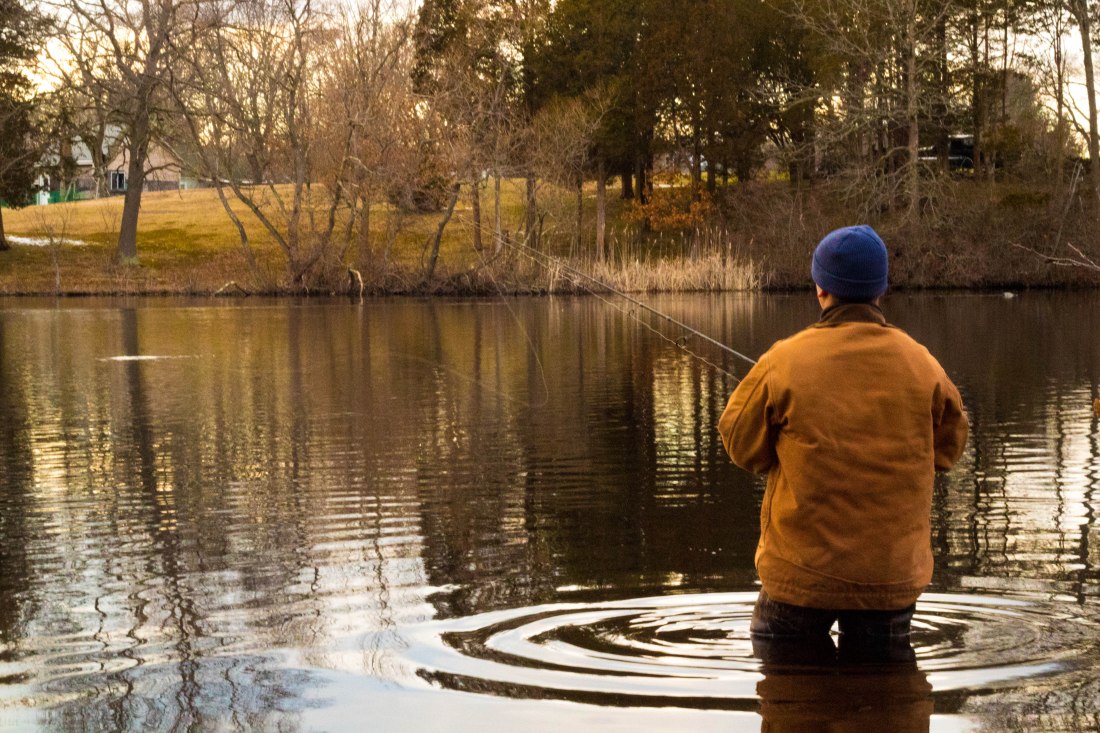
As for relating to this chapter, I feel like trying to lead a healthy lifestyle has led me to reduce my risks for most of the diseases mentioned in this chapter. All of the behavioral risks are typically looked at as bad for us anyways so I had already been avoiding them. As far as my fitness journey goes, I was able to reach new personal records for myself in the gym on the bench press and I managed to run about 12 miles this week. I’ve been feeling great and am getting myself ready for Thanksgiving where I plan to only eat one plate instead of my usual two and I am also planning on cutting myself off when I feel full rather than eating until I feel sick. Attached is a picture of myself enjoying the last day over 50 degrees in South Eastern Massachusetts.  That was probably the last day I had to fish before it officially gets too cold.

Chapter 10 blog

11/15/18
Chapter 10 focused on fitness and how we should try to stay fit. It mentions the different types of fitness; cardiovascular, cardiorespiratory, muscular strength and endurance. It also mentions some of the benefits to staying in shape, which include relieving stress which we as college students all suffer from to an extent. Chapter 10 tells us simplicity is key when starting out and that we should consult with our doctor before starting any workout regimen. A simple tip can be to track our fitness on something like a fitbit or smartwatch that can tell us where we are for our daily fitness goals. This can help us stay motivated. We should aim for moderate intensity workouts at least 5 days a week and we know the goal for gaining strength and endurance is overload, specifically targeting muscles, and variation of our workouts. In our regular workouts we should remember to include a stretching and warm up period as well. Much like previous chapters have told us, we must make SMART goals and stay hydrated and well-nourished to perform well in our exercises.

This week’s fitness goal went pretty well. I switched up my routine in the gym from a more isolated split to a upper lower split twice a week. I was trying to get in a good workout in 4 days instead of 5 because the next few months are going to be pretty hectic. Diet wise I stayed on track all week with no deviations, I feel great about where I am I just need to chisel out more time to go for runs. I know this time will come when the sunlight lasts past 5 Pm and I am done with this draining semester. It feels like I am in the final push with a big case of senioritis and I am just trying to stay motivated and buckle down for the last few weeks.

Chapter 9

11/8/18
Chapter 9 kicks off a discussion about weight management and body image. Right off the bat the chapter tells us that Americans are fatter on average than any other generation before us. There are many factors to be discussed further in the chapter but a big concern is the lifestyle we live. Starting with our youth, they have very easy access to high fat and calorie foods but also fewer physical education requirements. This obesity issue we are struggling with can have plenty of ill effects. Some of these include depression, high blood pressure, diabetes, sexual dysfunction, and increased risk of all forms of heart disease. This chapter tells us that although some people may possess certain genes that predispose them to obesity, it may not be the only thing that matters. Sometimes a lifestyle full of healthy choices can be enough to offset the genes setback. There are also physiological factors as to why one might be overweight. These include our metabolic rates. This is the rate at which our bodies can use calories for energy throughout the day. Some of the environmental factors that can cause contribute to the obesity problem is media messages and advertisements for cheap, fattening foods and large portions. Sometimes our friends can be looked at as bad influences. The book likens overweight and obese people being likely to become friends to the likelihood of other smokers to hang out together. Your lifestyle also plays a large role in your weight. Those who live very active lifestyles are far less likely to be obese than those who live almost sedentary lifestyles. When thinking about our own healthy weights, we must take into account the accuracy of different body composition tests. According to the book, someone my age should be between 7%-19% body fat in order to be considered healthy. I am curious to know my own and will likely seek out a test in the near future. In order to maintain a healthy diet, we must know the relationship between calories and energy. Calories are like the fuel for our body. Eating more than your body needs is a way to gain weight and eating less is a way to lose weight. Exercising is a good way to burn up excess calories but the amount of calories burned for the same exercise varies from person to person. We also need to do research into the diets we choose to pursue. We should check to make sure that the diet affords us the proper nutrients for healthy life which we learned about in a previous chapter. We also need to be able to afford the diet and be able to sustain it over time. This chapter tells us to be aware of our body image and how we see ourselves. Sometimes we can have negative body images which can be a distorted perception of our shape. Sometimes the images set forth by media or images of celebrities set the standard for what we think we ought to look like. These images can be unrealistically thin people or people who use substances to enhance their body image. A small percentage of people can suffer from something called body dysmorphic disorder. These people can be obsessed with their body appearance and have a distorted view of themselves. These people can be at an increased risk for eating disorders. The book touches on two major eating disorders, anorexia and bulimia. Anorexia sufferers show symptoms such as refusal to maintain body weight above minimal normal weight, intense fear of gaining weight, and denial of their low body weight. People who suffer from bulimia often binge on large portions of food and then try to compensate through purging their body through the form of vomiting or taking laxatives. They can also over-exercise in an attempt to burn the calories. People can over-exercise without suffering from bulimia which can have problems in and of itself. This can cause muscle dysmorphia where a person thinks they are not muscular enough. These people are likely to abuse steroids and dietary substances which can cause more health problems.

This week I had a good exercise routine and felt stronger than I have recently. It was a pretty hectic week in terms of scheduling but I made it through without having any cheat meals which was another goal of mine, to go longer than 5 days without a cheat meal. I’ve been trying to think of my diet in terms of percentages, keeping it more than 80% good and 20% bad. This seems to be helping me keep to it. I only ran once this week but next week I will be looking to get back on track with that. As for this chapter and how it relates I feel like it was pretty similar to last week and nutrition. The diet is a very important part of the healthy lifestyle. I used to be about 260 pounds and although I was active and worked out, I ate huge amounts of unhealthy foods. It wasn’t until I changed my diet that I really started to see results. I still eat pretty close to the same foods and shy away from fast food in general. This chapter helped me see the other sides of obsessing with weight loss including eating disorders and such. Attached is a picture of my girlfriend and I who are both working to achieve our own personal fitness and diet goals.

Chapter 8 Blog

Chapter 8 is focused largely on nutrition. For someone like myself, I should be eating about 2500 calories a day according to the chapter. Another important aspect of nutrition is hydration and protein. Interestingly enough, this book states that caffeinated drinks such as coffee also can count towards your fluid intake for the day. I thought before that they actually dehydrate you but it is just a common misconception. Drinking the right amount of water is important as too much or too little poses many health risks. Protein is also abundant in our body and should appear in our daily diet. Usually when we eat diets high in protein, we neglect another important nutrient in carbohydrates. This nutrient provides us with the energy we need to make it through any given day. Different types of carbs can be broken down at different rates and can give energy quicker or slower depending on what you are preparing for. The book touches on fats and how they are misunderstood. There are good fats and bad fats that we can fuel our bodies with. When we eat too much of other substances, our bodies will turn the excess to fat and store it in our cells as such. The book also mentions the importance of vitamins and minerals in order to maintain a healthy lifestyle. Many of these provide substance that we otherwise would not be able to get. One thing the book touches on that resonates with me is paying attention to the food labels that show the daily values of each nutrient. These are super important when trying to eat right because it allows you to calculate the proper amount of each specific nutrient. This can help avoid over eating any certain one and having it stored as fat. When choosing our foods, its important to pay attention to the organic claims and labels. One great thing I learned this chapter is what the different organic claims tend to mean. For example, the only items that are 100% organic actually say it on the label, while something that says ‘organic’ only needs to be 95% organic.

This week on my personal health journey I only went to the gym three weeks. I felt like I had 3 very productive days so I can’t complain all that much. I did some running on the treadmill on some rest days just to see what I could get my time to for the mile and a half. I really pushed myself and beat the time I need to run by almost a minute but the last quarter mile was a battle to say the least. Im not sure how it would have gone had I been out on a real track as most of my outdoor running is on a trail rather than flat grounds. I chose to stay out of the trails for most of the week because theres been a good amount of coyote sightings in my area and I don’t feel comfortable taking my dog with me. I think over the next week Im going to head to a track and time myself for a mile and a half and see what I can get. My featured picture of myself this week is of me fishing at the dam down the street. It’s a little bit of a trail that opens up to a nice spot to cast a few lines and hiking there was a quick way for me to get my dog and I some exercise while enjoying some time outside.

Chapter 7 Blog

10/24/18
Chapter 7 is all about alcohol and tobacco use in general, but also specifically in college students. We know from this chapter that around 40% of people in college report binge drinking. This is the norm for many college students and can have a ton of negative side effects including death for short term side effects as well as long term. The book talks about how many drinks on average is a good amount and it states no more than 2 a day on average and no more than 4 at a single event. When you drink more than this at an event it can be considered binge drinking. Some short term side effects are slowed reaction time, impaired judgement, nausea, and increased urination. Some of the long term effects are memory impairment, weakened heart muscle, increased risk of liver cancer, higher risk of osteoporosis, and fatty liver. Chapter 7 also mentions the dangers of drunk driving and how approximately 30% of Americans are statistically due to be in an alcohol related accident. It also talks about how to identify and help an alcoholic. Alcoholism can be due to many factors, but one that stuck out to me was being at increased risk for alcoholism if other members of your family are also alcoholics. In order to keep track of our drinking and possibly reduce it, the book suggests keeping a journal of how much we drink, as well as setting a personal drinking goal. We know the healthy amounts we need to drink it’s just a matter of sticking to our plans. Staying active and keeping set days of the week to abstain from drinking is another way to reduce our intake.

This chapter also talks a lot about tobacco, one of the other 3 most popular drugs for college students. People can rely on tobacco and nicotine for a number of reasons, such as addiction or behavioral dependence. Nicotine can also reduce appetite and increase metabolism. Nicotine is the truly addictive component of most tobacco products and can cause dependencies so strong that it can cause withdrawal symptoms. One of the more popular uses of tobacco is in cigarettes which also put tar and other harmful chemicals in your lungs. Some of the short term effects of tobacco products are lightheadedness, irritated throat, increased respiratory rate, and increased blood sugar. Some of the long term effects are addiction, excess and early skin wrinkling, increased risk in cancers, and increased risk of infertility and impotence. The chapter ends on the note of environmental tobacco smoke, more commonly referred to as second hand smoke. This can be a problem even for non-smokers, as other people’s bad habits can cause them respiratory and long term issues. This can be specifically bad for children whose parents smoke around them. Most public buildings now are smoke free as far as I know, smoking indoors is against the law. Even outside, there are usually designated smoking areas so as to keep the smoke and chemicals in a smaller area. Even the growingly popular e-cigarettes are against policies and limited in use. It has not been tested to be any less harmful than cigarette smoke and is treated as much of the same.

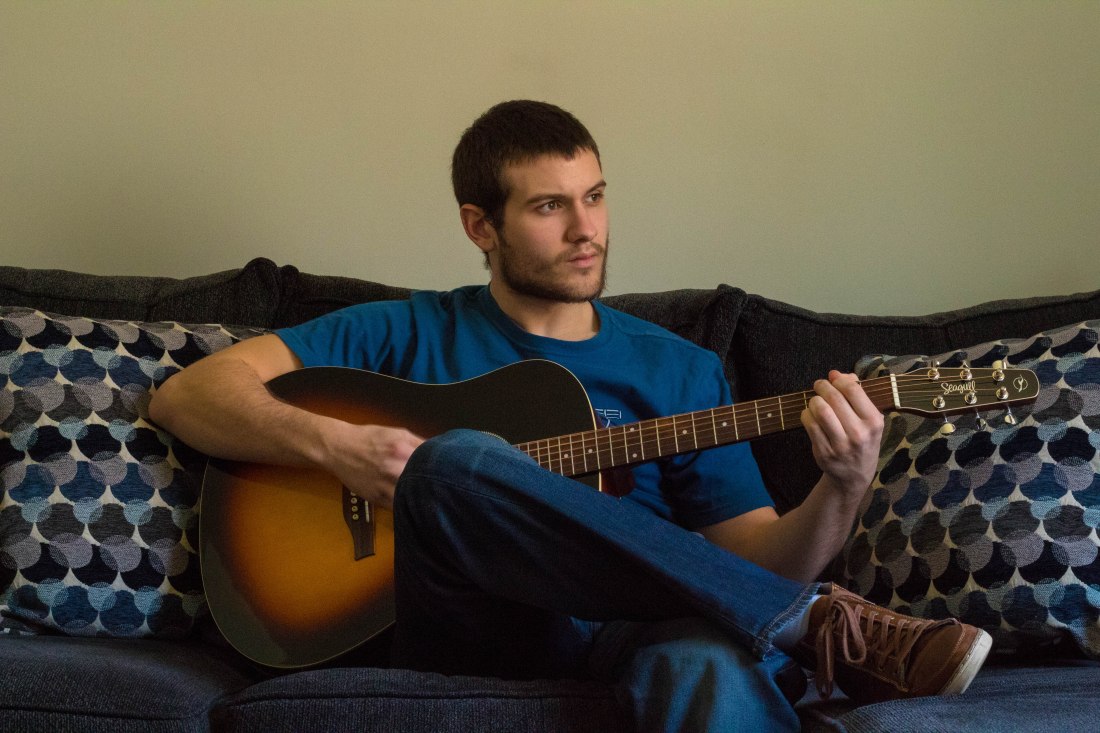
As for my health journey goals, I only made it to the gym two or three days last week but I managed to run every other day. I think 3 days last week I went behind the town library and jogged the nature trails we have back there. I still feel great about my journey and where it is headed, as I still think I made positive progress. Even though the week was hectic, I was not being lazy as I have been guilty of in the past. I didn’t skip the gym and stay home I skipped the gym and took my dog out for some exercise or skipped for work. In past weeks, I have walked my dog in the morning and woke up early just to feel tired after work and not feel like going to the gym or running. I wanted to take some time this week to reduce my stress and found some time to play my guitar which has rarely been picked up this semester. It was great to sit down and challenge myself a little differently than usual. As for this chapter and how it relates, I can say that I have binge drank by definition in the past, but I would not consider it to have ever been a problem. I feel like I was always responsible and didn’t ever try to drive myself or with another individual who was drinking. I would say that I am pretty consistent now with not drinking more than what I am comfortable with and staying around 1-2 drinks an hour. I have also used tobacco products in the past and sometimes on rare occasion will use some form of dip when fishing but it is not out of necessity and more out of enjoyment. Knowing the health risks involved is what led me to decrease usage in the past and may lead me to decrease usage altogether.

Chapter 6 Blog

10/17/18
This chapter covers addiction in its many forms as well as the different types of drugs. I think it would be fair to say that our generation has been exposed to some of these drugs more so than recent generations. I know that marijuana was very popular in high school and according to some statistics from some of my other school research papers, the use of recreational marijuana has steadily been climbing since the 90’s. I know that cross bred plants have different levels of THC and the general consensus among growers is that more THC is better. This produces a stronger high for the user which can lead to a feeling that they want to chase more. We are also in the midst of a huge opioid crisis that I have done research on multiple times. Recently, doctors have been more understanding and have been tougher on who they prescribe painkillers too because these people who abused painkillers have been more prone to seek out other opioids once their prescription runs out. Painkillers can give way to heroin which can give way to fentanyl which can give way to car-fentanyl which can all be deadly when misused. Addiction is no joke and can happen to anyone. It is important that we be careful with our prescriptions and keep this chapters information in mind when thinking about our family members or friends that may be suffering from addiction.

As for my health journey goals this week, I had a great week of lifting weights and tried to change up my routine a little bit. I tried some new workouts and felt great afterwards. I love the feeling of being tired after a good workout, it feels like the perfect way to end my day with an accomplishment. I have started timing my runs and am currently trying to get my mile and a half time under 11 minutes and 45 seconds. This will help me when I start taking PT tests for potential jobs. I am not quite there yet and have a little ways to go. I am currently at about 12 minutes and 15 seconds. I have been taking my dog with me in order to help motivate myself and also to accommodate his physical exercise needs. My diet did slip a little bit on Wednesday but other than that it was pretty balances. Overall I feel like I had a pretty good week and it was definitely something to build on.

Chapter 5 weekly Health Blog

Since my girlfriend and I started dating, we have switched birth control methods a few times. I know the hormonal contraceptives tend to give her headaches so she chose to do the depo shot for about a year. She recently switched to a more behavioral approach. This is what has worked best for us so far. We both agree on wanting kids but not in the near future and some of the things this chapter mentions are our main reasons. Firstly, with her being a full time student and part time employee, we do not make enough money to live comfortably with a child. Second we both want to travel when she graduates next May, and having a child would just complicate that.

As for my health goal for the semester, I had another good week. I made it through the weekend without binge eating on NFL Sunday. I was also able to stick to my gym and cardio routine. Both my girlfriend and I have been running a few miles every other day or so and attempting to better our times. Overall, my diet has been way more consistent and I feel good about the direction I have been trending. I’ve really been trying to find the balance of living the healthiest lifestyle I actually enjoy.